Why Flexible Packaging Printing is Essential for Your Business Success
In today’s competitive market, businesses are increasingly recognizing the significance of
Flexible Packaging Printing in driving their success.
According to a recent report by Smithers Pira, the flexible packaging market is projected to
reach $300 billion by 2024, with a compound annual growth
rate (CAGR) of 4.8%. This growth is largely attributed to the increasing demand
for convenient and eco-friendly packaging solutions across various sectors, including food,
pharmaceuticals, and consumer goods.

Industry expert Dr. James Halstead emphasizes the
crucial role of innovative packaging solutions,
stating, "Flexible Packaging Printing not only enhances product presentation
but also significantly extends shelf life and reduces waste.” As companies strive to meet
consumer expectations for sustainability and convenience, investing in high-quality flexible
packaging printing becomes essential. It allows brands to differentiate themselves and create
a lasting impression in the minds of consumers.
In this article, we will explore how adopting flexible packaging printing strategies can lead
to significant advantages for your business, from improving brand visibility to enhancing
customer satisfaction, ultimately ensuring your brand thrives in today's fast-paced environment.
The Growing Demand for Flexible Packaging in Various Industries
The demand for flexible packaging is experiencing significant growth across various industries, driven by factors such as convenience, sustainability, and consumer preferences. Recent market analysis indicates that the spout pouch market alone is set to reach an impressive USD 46.2 billion by 2033, with a compound annual growth rate (CAGR) of 6.24%. This growth is fueled by the lightweight and eco-friendly attributes of flexible packaging solutions, making them increasingly popular in the food, beverage, and personal care sectors.
Moreover, the metalized flexible packaging market is projected to expand from USD 14.8 billion in 2025 to USD 18.5 billion by 2030, highlighting a robust demand for innovative packaging solutions that offer both protection and shelf appeal. Additionally, the global e-commerce flexible packaging market is witnessing an exceptional CAGR of 17.3%, underscoring the necessity for businesses to adopt flexible packaging methods to enhance their product offerings in a competitive landscape. As industries continue to evolve, the integration of flexible packaging will be crucial for achieving both operational efficiency and customer satisfaction.
Key Benefits of Flexible Packaging Printing for Brand Visibility
Flexible packaging printing plays a crucial role in enhancing brand visibility, making it an essential component of business success. With the Indian offset packaging market projected to grow significantly from $8.94 billion in 2025 to $13.01 billion by 2032, a compound annual growth rate (CAGR) of 5.50%, businesses must leverage innovative packaging solutions to stand out in a competitive landscape. The adoption of flexible packaging not only allows brands to showcase their distinct identities but also enhances their shelf presence, ultimately driving consumer engagement.
One of the key benefits of flexible packaging is its versatility in design and functionality. As brands increasingly seek to make a lasting impression, the integration of advancements in digital printing, such as the usage of white ink for enhanced color vibrancy and detail, enables more attractive and effective packaging solutions. This heightened focus on aesthetics and functionality is a response to changing consumer preferences, where visually appealing and convenient packaging can significantly influence purchasing decisions. Thus, investing in flexible packaging printing is not just a choice; it is a strategic necessity for brands looking to thrive in today’s dynamic market.
Innovative Design Options in Flexible Packaging to Stand Out
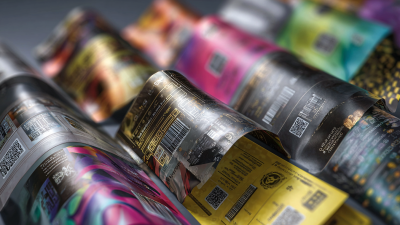
In today's competitive market, innovative design options in flexible packaging play a pivotal role in distinguishing your products from the competition. Utilizing eye-catching graphics, unique structural designs, and vibrant colors can significantly enhance your brand's visibility on store shelves. Brands can leverage various printing techniques such as digital printing, which allows for customizable designs and short runs, catering to specific customer preferences without incurring excessive costs.
**Tips for Effective Flexible Packaging Design:**
1. **Prioritize Clarity:** Ensure your packaging clearly communicates what the product is and its benefits. Use legible fonts and avoid cluttered designs.
2. **Incorporate Interactive Elements:** QR codes or augmented reality features can engage consumers and provide them with more information about your product, enhancing their overall experience.
3. **Sustainability Matters:** Incorporate eco-friendly materials or designs that resonate with environmentally conscious consumers, making your brand not only appealing but also responsible.
By embracing these innovative design elements in flexible packaging, your business can create a lasting impression, foster customer loyalty, and ultimately drive sales growth.
Importance of Flexible Packaging Printing for Business Success
Sustainability Trends Driving Flexible Packaging Solutions
The shift towards sustainability has become a driving force in the flexible packaging industry, with 55% of consumers stating that they are more likely to purchase products from brands that prioritize eco-friendly practices. This statistic highlights the growing expectation for companies to adopt sustainable packaging solutions. Flexible packaging, particularly, has gained traction due to its efficiency in material usage and reduced environmental impact. Recent studies indicate that flexible packaging uses up to 50% less material than rigid packaging options, which not only conserves resources but also decreases carbon footprint during production and transportation.
Furthermore, innovations in materials are fostering the development of recyclable and compostable flexible packaging solutions. The market for sustainable flexible packaging is projected to reach $400 billion by 2027, showcasing a remarkable compound annual growth rate (CAGR) of approximately 4.5%. Companies that integrate sustainable practices into their packaging strategies can greatly enhance their market share and customer loyalty while contributing positively to environmental conservation. As sustainability trends continue to shape consumer preferences, businesses must adapt to these changes to ensure long-term success in the competitive landscape of packaging solutions.
Why Flexible Packaging Printing is Essential for Your Business Success - Sustainability Trends Driving Flexible Packaging Solutions
| Dimension |
Value |
| Market Growth Rate |
4.5% CAGR (2021-2026) |
| Sustainable Material Usage |
60% Recycled or Biodegradable |
| Reduction in Packaging Waste |
25% Decrease Since 2015 |
| Consumer Preference for Eco-Friendly Packaging |
70% Consumers Prefer |
| Digital Printing Adoption Rate |
30% in Flexible Packaging |
| Cost Reduction in Flexible Packaging |
15% Compared to Traditional Methods |
Cost-Effective Strategies for Implementing Flexible Packaging Printing
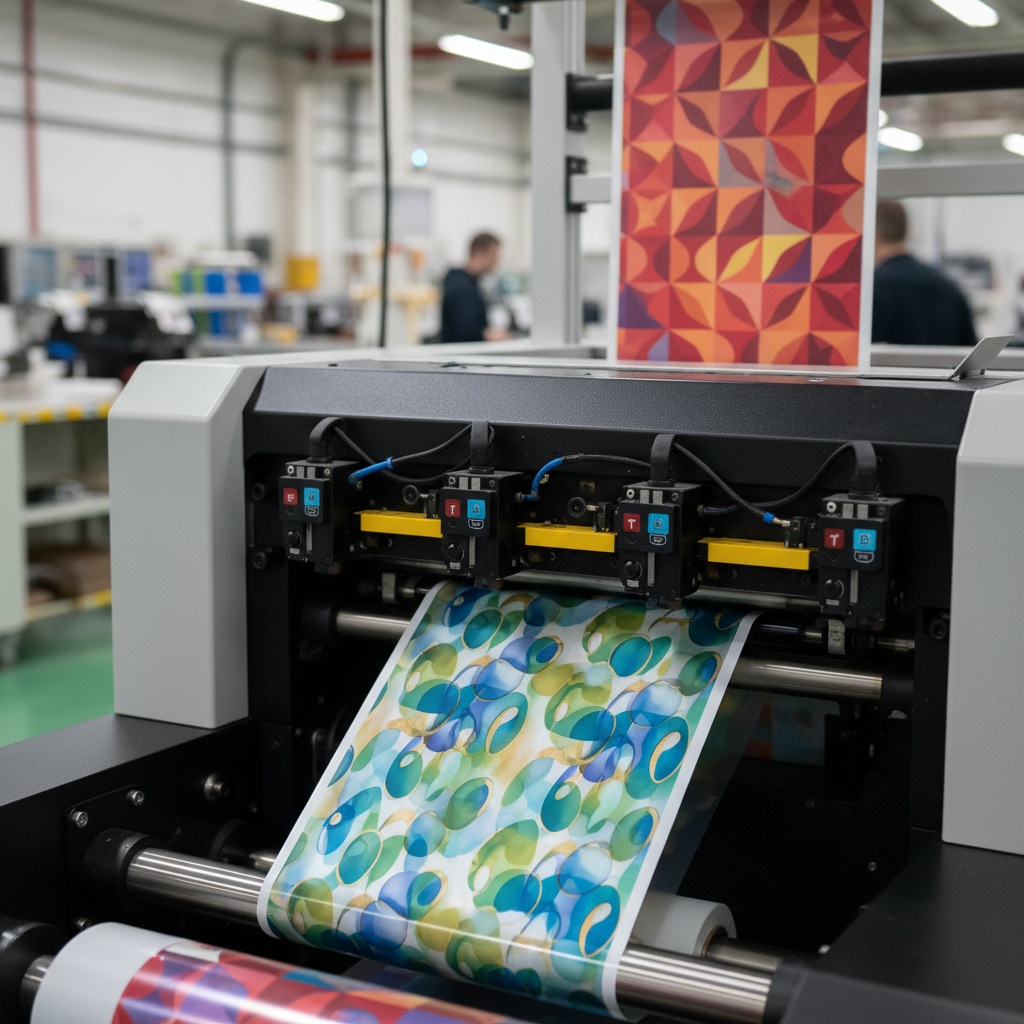
Implementing flexible packaging printing can significantly contribute to a business's bottom line while enhancing its market presence. One of the most cost-effective strategies is to invest in digital printing technology. Unlike traditional methods, digital printing offers short run capabilities, allowing businesses to produce smaller batches without incurring excessive costs. This flexibility enables brands to quickly adapt their packaging designs to meet market trends or seasonal demands without overcommitting resources.
Additionally, collaborating with experienced flexible packaging suppliers can lead to further savings. Suppliers often provide tailored solutions that reduce material waste and optimize production timelines. By taking advantage of economies of scale, businesses can also lower their unit costs while maintaining high-quality output. Moreover, leveraging design tools and prepress services offered by suppliers can streamline the process from concept to final product, ensuring a seamless transition and maximum efficiency. This integrated approach not only enhances product appeal but also fosters brand loyalty among consumers who appreciate innovative and attractive packaging.